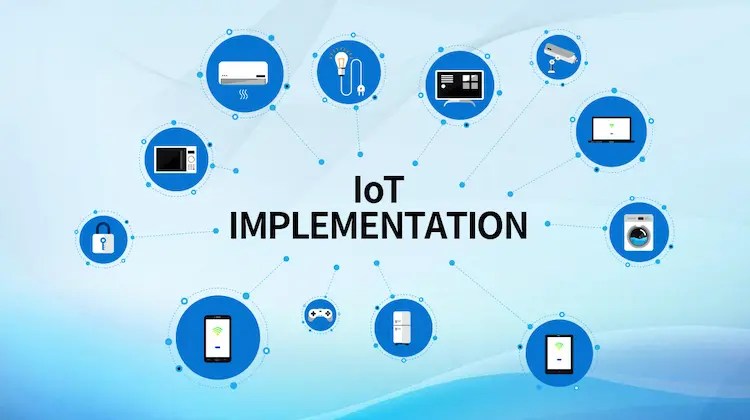
In an IoT project, the need to track assets and processes in real-time can significantly improve operational efficiency. Without IoT, manual tracking systems often lead to delays, errors, and inefficiencies. This blog outlines the technical details of implementing IoT for process tracking and highlights the key steps involved, focusing on the role of the project manager to ensure successful deployment.
Context: Common Problems Without IoT
Manual tracking systems typically suffer from:
- Data Entry Errors: Manually entering information increases the risk of inaccuracies.
- Delayed Updates: Without real-time tracking, decision-making is slow.
- Resource Wastage: Without precise tracking, resources are poorly allocated.
- System Disconnects: Data is not well-integrated with ERP or CRM systems, causing miscommunication.
Technical Requirements and IoT Setup
To address these issues, the project requires both hardware and software components.
Hardware:
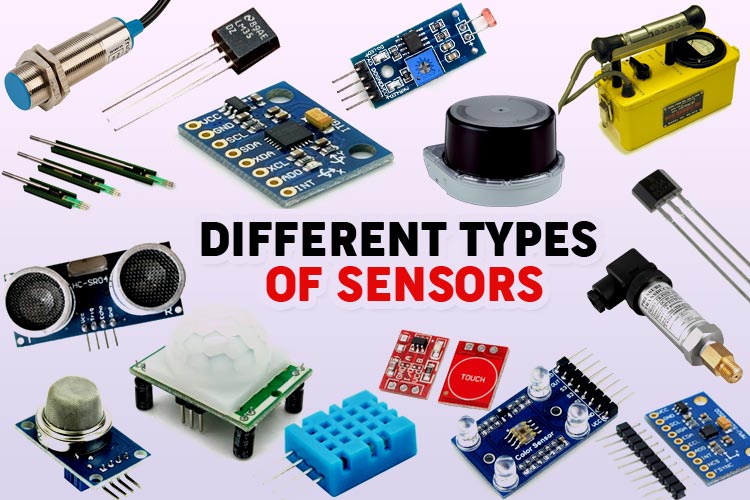
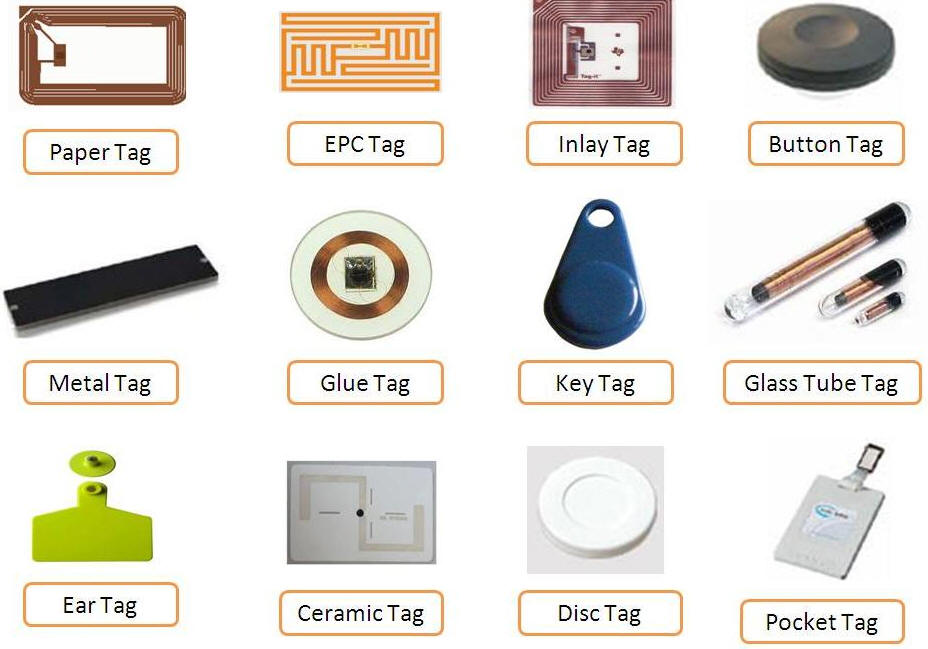
- IoT Sensors and RFID Tags: These are installed on key assets for tracking. RFID tags are used for identifying items, while sensors monitor conditions such as location, temperature, and movement. Specific devices are selected based on environmental durability.
- Gateways: These devices collect data from the sensors and transmit it to the central server, ensuring real-time data flow.
- Network Infrastructure: A robust, secure wireless network is essential for IoT devices to communicate. Wi-Fi or cellular networks can be used depending on the environment.
Software:
- IoT Platform: This acts as a central hub for data collection, processing, and analytics. The platform must handle high volumes of real-time data from multiple devices.
- API Integration with ERP and CRM: The IoT platform must synchronize with ERP (for inventory and supply chain) and CRM (for customer interactions). APIs ensure seamless data transfer between these systems, enabling real-time decision-making across the business.
Project Manager’s Role
The project manager is crucial in IoT deployment:
- Coordination of Installation: The project manager oversees the installation of hardware (sensors, RFID tags, and gateways) and ensures the network infrastructure is robust and secure.
- Data Synchronization: The manager ensures the IoT platform communicates effectively with ERP and CRM systems via APIs, enabling real-time data synchronization and eliminating manual data entry.
- Risk Management: Potential risks, such as device malfunctions or network failures, are identified and mitigated through contingency plans.
- Team Collaboration: Coordination between hardware suppliers, IT teams, and business stakeholders is critical to ensure all parts of the system work seamlessly together.
Outcomes
The IoT system provides several measurable benefits:
- Real-Time Tracking: Assets and processes are tracked in real-time, improving visibility and decision-making.
- Error Reduction: Data inaccuracies are reduced, resulting in more accurate inventory management and improved customer satisfaction.
- Resource Optimization: Resource usage is optimized through better tracking and allocation.
- System Integration: Seamless integration with ERP and CRM systems ensures that real-time data updates flow smoothly across departments.
Conclusion
Implementing IoT for process tracking significantly improves operational efficiency by providing real-time data, reducing errors, and optimizing resource use. A well-coordinated project, led by a capable project manager, ensures that both hardware and software elements work together to deliver a streamlined and integrated solution.
Technical Details for IoT Implementation
For those seeking more details about IoT technology and how to implement it, here are some common examples and considerations:
- IoT Sensors: Common types of IoT sensors include temperature sensors, proximity sensors, pressure sensors, and GPS trackers. These can be purchased in bulk from suppliers like Digi-Key or Mouser Electronics, and specialized industrial providers often offer discounts for professional orders.
- RFID Tags: RFID tags come in different forms such as passive, active, and semi-passive. Tags made of durable materials (such as metal) are suitable for environments with extreme temperatures. Large-scale RFID purchases can be made through companies like RFID LABS, Brady, Avery Dennison or Zebra Technologies.
- Gateways: Gateways act as intermediaries, collecting data from IoT devices and sending it to cloud platforms or on-premise servers. Industrial-grade IoT gateways can be purchased from suppliers like Cisco, Advantech, or Siemens. Implementation involves connecting the gateway to your IoT devices and configuring network settings for secure data transmission.
- Network Infrastructure: A secure wireless network is essential for IoT deployment. Typically, Wi-Fi networks are used, but in areas without reliable Wi-Fi, cellular networks such as 4G/5G can be leveraged using industrial routers that support these networks. Providers like Cradlepoint or Sierra Wireless offer solutions for this.
- IoT Platforms: Professional IoT platforms include Microsoft Azure IoT, AWS IoT Core, and IBM Watson IoT. These platforms allow businesses to collect and analyze data, automate processes, and integrate with other systems. Management of these platforms involves configuring data pipelines, setting up dashboards, and integrating them with ERP and CRM systems.
- API Integration with ERP and CRM: APIs (Application Programming Interfaces) are critical for integrating IoT data with ERP and CRM systems. Standards such as RESTful APIs or SOAP are commonly used. The API mapping process involves identifying the data points in the IoT system and matching them to corresponding fields in ERP/CRM systems. Tools like Postman or Swagger can help with testing and documentation during the implementation.

 wuenqiinsights
Leave a comment