Category: Project Management
-
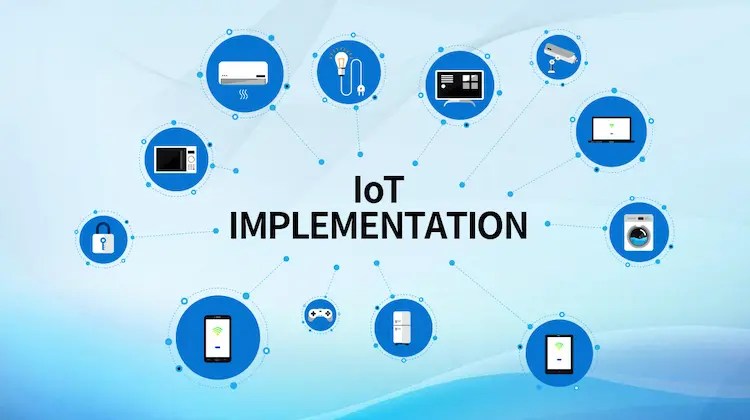
IoT Implementation: Enhancing Process Tracking with Real-Time Data
In an IoT project, the need to track assets and processes in real-time can significantly improve operational efficiency. Without IoT, manual tracking systems often lead to delays, errors, and inefficiencies. This blog outlines the technical details of implementing IoT for process tracking and highlights the key steps involved, focusing on the role of the project…
-
Project Management for ERP and CRM Systems: Streamlining Operations and Customer Connections
Managing ERP systems is essential for both internal efficiency and seamless external customer connections. In my previous role, I was responsible for overseeing several ERP (SAP) and CRM (Salesforce) systems, along with EDI SaaS solutions. My work spanned both internal system optimization and external integration with major partners. Initial Situation Before I took charge of…
-

Global WMS Deployment for Automotive Component Management: A Product Owner’s Role
Managing car components across multiple countries and companies presents a complex challenge. In a global automotive alliance, the need for an efficient Warehouse Management System (WMS) was crucial to optimize supply chain management. As a product owner, I led the deployment of a global WMS to ensure that shared car components were tracked and managed…
-

ERP Integration for a New Automotive Factory: Connecting Systems Across Borders
When a leading automotive company acquired a utility car manufacturing plant in China, the challenge was to integrate the company’s European ERP systems into the new facility. As a multilingual project manager familiar with the company’s systems, I was responsible for ensuring the smooth setup of key ERP modules and their connection to external outsourcing…
-
ERP Implementation for Warehouse Optimization: Moving Beyond Excel
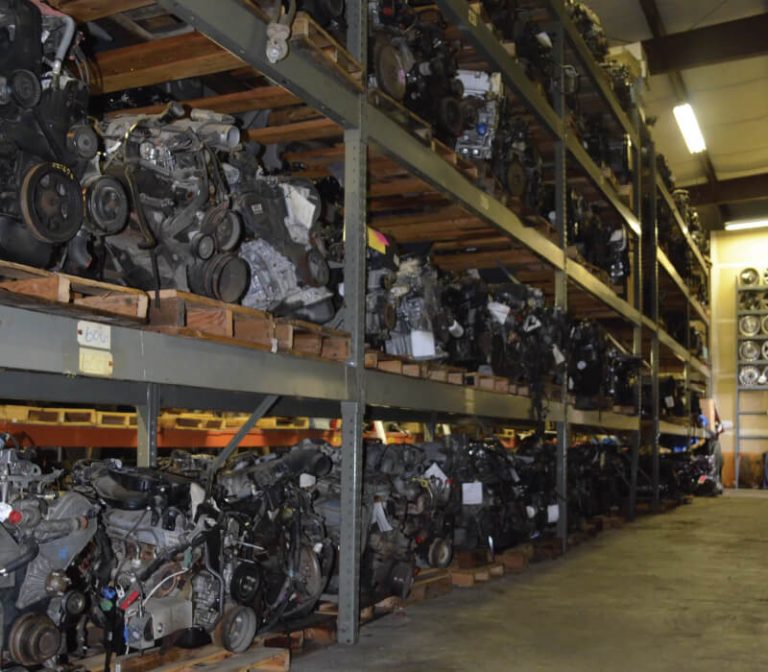
Managing large-scale warehouse operations with Excel can quickly expose the limitations of manual tools, leading to inefficiencies, errors, and data silos. In one of my previous roles, I was responsible for the implementation of an ERP SAP system in two key warehouses. The goal was to replace outdated Excel-based processes and streamline operations. Initial Situation…
 wuenqiinsights