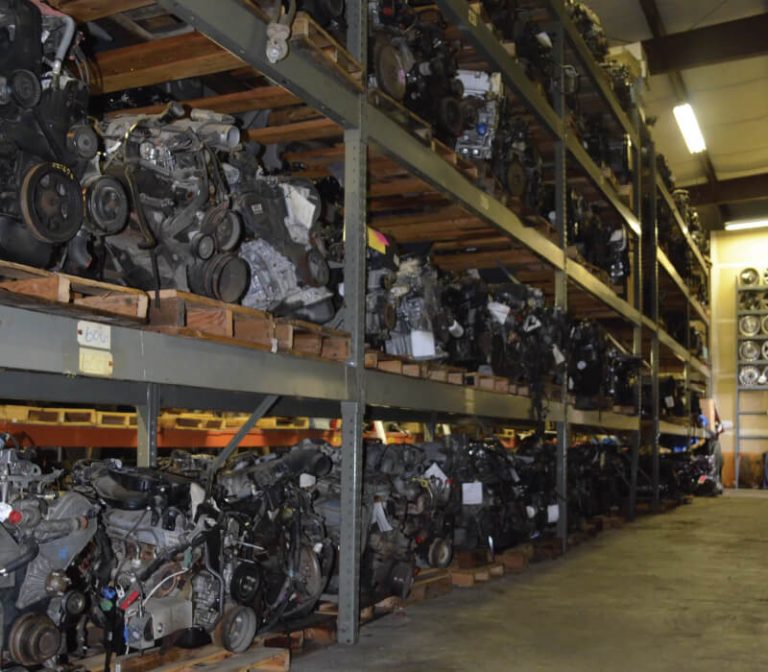
Managing large-scale warehouse operations with Excel can quickly expose the limitations of manual tools, leading to inefficiencies, errors, and data silos. In one of my previous roles, I was responsible for the implementation of an ERP SAP system in two key warehouses. The goal was to replace outdated Excel-based processes and streamline operations.
Initial Situation
Before the ERP SAP implementation, both warehouses were facing significant operational challenges:
- Excel Limitations: Daily operations were managed through multiple Excel spreadsheets, causing data fragmentation and limited real-time visibility. This manual process increased the risk of errors and delays in decision-making.
- Data Inaccuracy: The reliance on Excel tools made it difficult to maintain accurate inventory records, which led to misalignment between stock levels and actual demand.
- Process Bottlenecks: With no centralized system, communication and coordination between the two warehouses were slow, creating bottlenecks in supply chain operations and order fulfillment.
My Contribution
To address these inefficiencies, I led the deployment of an ERP SAP system across both warehouses:
- ERP SAP Implementation: I coordinated the installation and configuration of SAP modules tailored to warehouse management. This included automating inventory tracking, improving stock visibility, and optimizing workflows.
- Process Standardization: The implementation of ERP allowed us to standardize processes across the two warehouses. This streamlined operations, ensuring real-time data accuracy and reducing reliance on Excel spreadsheets.
- Training and Transition: I facilitated the transition from Excel to the ERP system by training warehouse staff and ensuring smooth adoption of the new tools. This minimized disruption and increased the team’s confidence in using the system effectively.
Results
The shift to the ERP SAP system delivered significant benefits:
- Elimination of Excel Dependency: By moving away from Excel, both warehouses gained access to real-time, centralized data, enabling faster decision-making and improved operational efficiency.
- Inventory Accuracy: Inventory discrepancies dropped by 25%, as the ERP system provided up-to-date stock information and automated tracking.
- Improved Coordination: Communication between the two warehouses became more fluid, with ERP integration allowing for better synchronization of supply chain activities and faster order fulfillment.
Upgrading from Excel to ERP SAP in warehouse management is a game-changer. This project demonstrated how leveraging ERP systems can improve data accuracy, streamline processes, and optimize warehouse operations, driving better results across the supply chain. My experience managing this transition showcases the importance of modern systems in overcoming the limitations of manual tools.

 wuenqiinsights
Leave a comment