
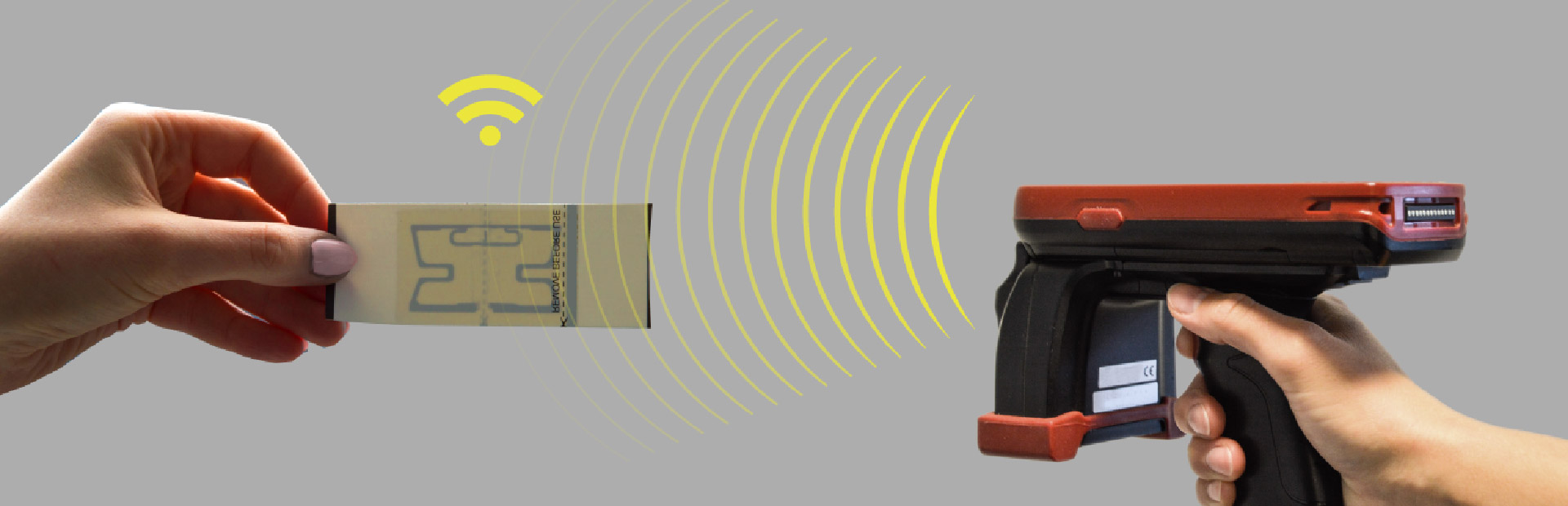
In complex automotive testing environments, efficiency and accuracy are critical. One of the key challenges is managing test vehicles shared across different departments without disassembling components for identification. In one of my previous projects, I led the implementation of an RFID system to streamline this process, saving both time and resources while improving accuracy.
Initial Situation
Before the RFID implementation, several inefficiencies were impacting the testing process:
- Manual Component Identification: Test cars shared between different departments required manual disassembly to identify specific components, leading to wasted time and increased labor costs.
- Time-Consuming Process: The need to repeatedly remove and reinstall parts during the testing cycle caused delays, slowing down the overall workflow of the testing departments.
- Accuracy Issues: Human error during the manual process resulted in occasional misidentification of components, leading to incorrect test results or further delays.
My Contribution
To solve these challenges, I designed and managed the rollout of an RFID system tailored to the needs of various car test departments:
- RFID Process Design: I implemented RFID tags on key components to allow departments to easily identify each part without the need for disassembly. This sped up the process of switching cars between test groups.
- Customized RFID Solutions: Recognizing that some components, especially those prone to heating, could damage plastic RFID tags, I worked with technical teams to introduce heat-resistant metal RFID tags for specific parts. This ensured the durability of the system in high-temperature environments.
- Optimization of Test Workflow: By integrating RFID into the testing workflow, I reduced the need for manual labor, allowing teams to focus on higher-value tasks rather than spending time on component identification.
Results
The RFID process resulted in significant improvements across several key areas:
- Time Savings: The introduction of RFID technology reduced the time required for component identification by 40%, allowing test departments to work more efficiently and meet deadlines faster.
- Reduced Labor Costs: The need for manual labor to disassemble and reassemble parts was reduced by 30%, freeing up human resources for more critical tasks.
- Improved Accuracy: The implementation of RFID tags eliminated identification errors, ensuring that test results were accurate and components were tracked reliably throughout the process.
Implementing RFID technology in automotive testing environments is a powerful way to improve efficiency and accuracy. By reducing manual labor and eliminating disassembly, this project significantly sped up the testing process while cutting costs. My experience managing this project demonstrates how tailored RFID solutions can streamline operations and deliver measurable results.

Leave a Reply